Cuba Documentary and Cultural Experience Itinerary for Onur's trip
This itinerary has been designed specifically for a documentary-style cultural experience focused on understanding contemporary Cuban life beyond traditional tourism. The program combines historical areas, local communities, everyday economic realities, and authentic human interaction, while still allowing flexibility depending on weather, filming opportunities, transportation conditions, and the rhythm of daily life in Cuba.
Itinerary
Main Focus:
Introduction to Havana, visual contrast between tourist and residential zones, first street filming opportunities.
Suggested Schedule:
Afternoon
- Airport pickup and hotel check-in.
- Brief orientation about filming conditions, local etiquette, and practical logistics.
- Sunset drive through:
- Vedado
- Centro Habana
- Havana Malecón
- Old Havana
Filming Opportunities:
- Street vendors
- Public buses
- Classic cars
- Long lines outside stores
- Daily movement before evening blackouts
- Contrasts between renovated tourist areas and deteriorated residential buildings
Evening
Walk throughthe neighborhood during evening hours to observe:
- Energy-saving routines
- Neighborhood social life
- Families gathering outdoors
- Small informal food businesses
- Areas affected by power cuts if schedules permit
Optional:
Short rooftop dinner with overview discussion of Cuba’s current economic situation and filming goals for the week.
Main Focus:
May 1 celebrations, political culture, mass gatherings, public emotion, organization, and visual storytelling.
Early Morning (VERY IMPORTANT)
Departure around 3:30–4:00 AM.
Recommended Filming Locations:
- Plaza de la Revolución
- Main avenues approaching the plaza
- Transportation gathering points
Filming Opportunities:
- Crowds arriving before sunrise
- Workers carrying banners
- Families attending together
- Street coffee sellers
- Government organization logistics
- Public transportation overload
- Security presence
- Emotional reactions and interviews
Afternoon
Rest period or flexible filming.
Evening
Neighborhood visits in:
- Vedado
Focus:
- Blackouts
- Water shortages
- Evening survival routines
- Cooking during outages
- Community interaction during difficult conditions
Possible Home Visit
If arranged in advance:
- Conversation with a Cuban family regarding:
- Salaries
- Daily expenses
- Electricity cuts
- Food access
- Migration
- Daily coping strategies
Main Focus:
Understanding the practical side of daily life in Cuba.
Early Morning
Filming:
- Agricultural market
- Bread lines
- Pharmacies
- Fuel stations
- Bus stops during rush hour
Key Topics:
- Ration card system
- Medicine shortages
- Informal economy
- Transportation crisis
- Inflation
Possible Interview Subjects:
- Small business owner
- Taxi driver
- Elderly pensioner
- Pharmacy worker
- Parent shopping for food
Afternoon
Visit contrasting areas:
Tourist Havana:
- Old Havana
- Luxury hotels
- Restaurants
- Bars
- International tourism infrastructure
Residential Havana:
- Central Havana
- Peripheral neighborhoods
- Local bodegas
- Water collection points
- Informal street markets
Evening
Potential blackout filming in residential area.
Main Focus:
Education, healthcare system, social realities, and humanitarian perspective.
Morning
Possible visits (subject to permissions):
- School in Havana
- Teacher interview
- Observation of school infrastructure and daily routines
Afternoon
Healthcare-focused filming:
- Exterior of public hospitals
- Polyclinics
- Pharmacies
- Medical shortages discussion
If possible:
Short interview with:
- Doctor
- Nurse
- Medical student
- Family searching for medicine
Evening
Street food tour:
- Pizza stands
- Cuban sandwiches
- Street snacks
- Private cafeterias
- Juice vendors
This portion offers strong visual storytelling regarding:
- Inflation
- Creativity
- Informal entrepreneurship
- Cuban food culture
Main Focus:
Contrast between international tourism economy and everyday Cuba.
Early Departure to Varadero
Filming Opportunities:
- Resorts
- Beaches
- Tourist transportation
- Hotel workers
- Private rental businesses
- Street vendors
Key Narrative:
“How does tourism coexist with economic hardship?”
Suggested Topics:
- Workers commuting long distances
- Dual economy
- Tourist consumption vs local purchasing power
- Access to foreign currency
Optional:
Visit nearby residential areas outside the resort zone to show local life behind the tourism industry.
Sunset Filming
Beach visuals and tourism nightlife.
Overnight:
Varadero
or return to Havana depending on budget and filming needs.
Option A – Recommended. Viñales or Canasí town
VIÑALES
Main Focus:
Rural economy, tobacco farming, tourism decline, migration, and traditional Cuban countryside life.
Filming Opportunities:
- Tobacco farms
- Horse carts and ox-driven farming
- Local family homes
- Farmers working manually in the fields
- Tobacco drying houses
- Small guesthouses and casas particulares
- Rural schools and community areas
- Tourism-dependent businesses struggling economically
- Sunset landscapes and valley viewpoints
Possible Interviews:
- Tobacco farmer
- Airbnb or guesthouse host
- Restaurant owner
- Young person discussing migration and future opportunities
- Local guide or horseback tour operator
Key Themes:
- Economic adaptation
- Rural resilience
- Tourism recovery challenges
- Traditional Cuban life
- Family-based economy
- Youth migration from rural areas
- Community solidarity during shortages
CANASÍ
Main Focus:
River community life, fishing economy, local survival strategies, ecotourism, and authentic coastal Cuban life.
Filming Opportunities:
- Canasí River and mangrove areas
- Local fishermen and small boats
- Families spending time along the river
- Outdoor cooking and community gatherings
- Modest local homes
- Coastal landscapes and nearby beaches
- Informal local businesses
- Ecotourism and camping areas
- Public transportation and rural road access
- Everyday life in a small Cuban coastal town
Possible Interviews:
- Fisherman or river guide
- Local family living near the river
- Small food vendor
- Young resident discussing work opportunities and migration
- Local resident explaining daily life and shortages
Key Themes:
- Community resilience
- Fishing and small-scale local economy
- Limited transportation and infrastructure
- Everyday life outside major tourist centers
- Ecotourism and natural preservation
- Economic hardship in coastal communities
- Human connection and local solidarity
- Authentic Cuban community life beyond tourism
Option B – Backup Weather/Flexible Plan
If weather or logistical issues affect filming:
Alternative Activities:
- Museums
- Indoor interviews
- Covered markets
- Community centers
- Indoor cultural performances
- Additional family interviews
- Editing/rest/logistics day
Safe flexible areas can be arranged depending on weather and transportation conditions.
HOTEL RECOMMENDATIONS
Havana
Higher-End
- Iberostar Grand Packard
- Gran Hotel Manzana Kempinski
Mid-Range / Documentary Friendly
- Hotel Nacional de Cuba
- Boutique casas particulares in Vedado or Old Havana
Best Option for Authentic Experience
Private guesthouses (“casas particulares”) with reliable hosts and local connections.
Aeropuerto | 120 usd (Arrival and departure included) |
Varadero | 200 usd |
Viñales | 300 usd |
Canasi | 120 usd |
Viñales
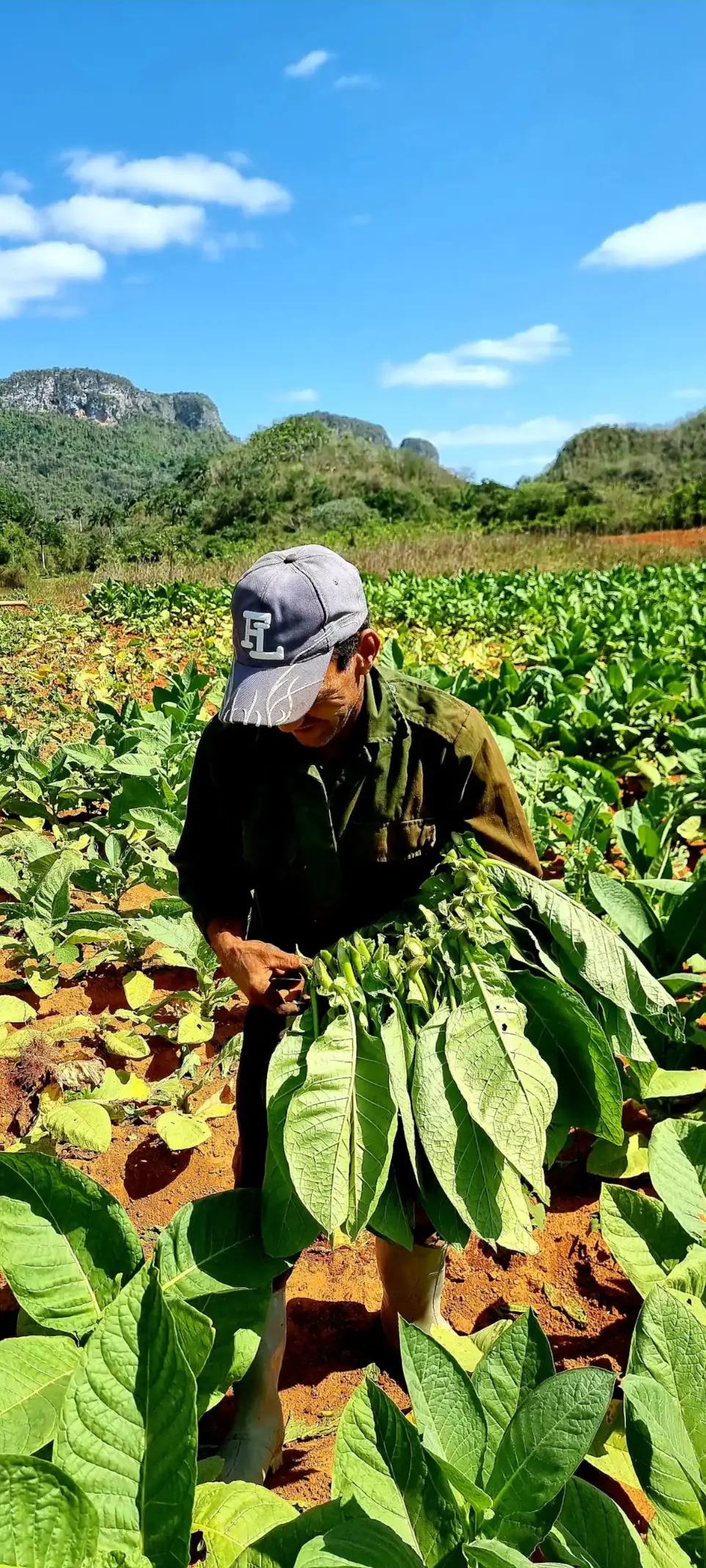
Viñales is one of the most authentic and human destinations in Cuba. Beyond being famous for its impressive mogotes — the enormous limestone mountains rising from the red soil — Viñales represents rural Cuban life in its most traditional form. Here, time seems to move more slowly. Farmers still work much of the land using oxen and manual tools, especially in the tobacco plantations, because many families do not have access to modern machinery or sufficient fuel.
The local economy revolves mainly around agriculture, particularly tobacco cultivation, considered among the finest in the world. Many families also depend on tourism: renting rooms in private homes, offering horseback tours, selling handmade crafts, or preparing homemade meals for foreign visitors. In recent years, tourism has become a vital source of income for many residents, especially due to the country’s current economic situation and low state salaries.
Walking through Viñales means discovering a Cuba very different from the one represented by large hotels and resorts. Visitors can speak directly with farmers, enter tobacco drying houses, taste freshly brewed Cuban coffee, and hear stories about how families have adapted to economic hardship, fuel shortages, and the migration of young people to larger cities or abroad. Even so, hospitality remains one of the region’s greatest strengths. Many people share what little they have with genuine warmth and a strong sense of community.
The valley also possesses extraordinary natural beauty. There are underground caves, interior rivers, ecological trails, and breathtaking viewpoints. The landscape combines royal palms, reddish soil, and green mountains to create one of the most iconic scenes in Cuba. For many visitors, Viñales is not only a nature destination — it is an opportunity to better understand how a large part of the Cuban population truly lives outside the major cities.
Canasí
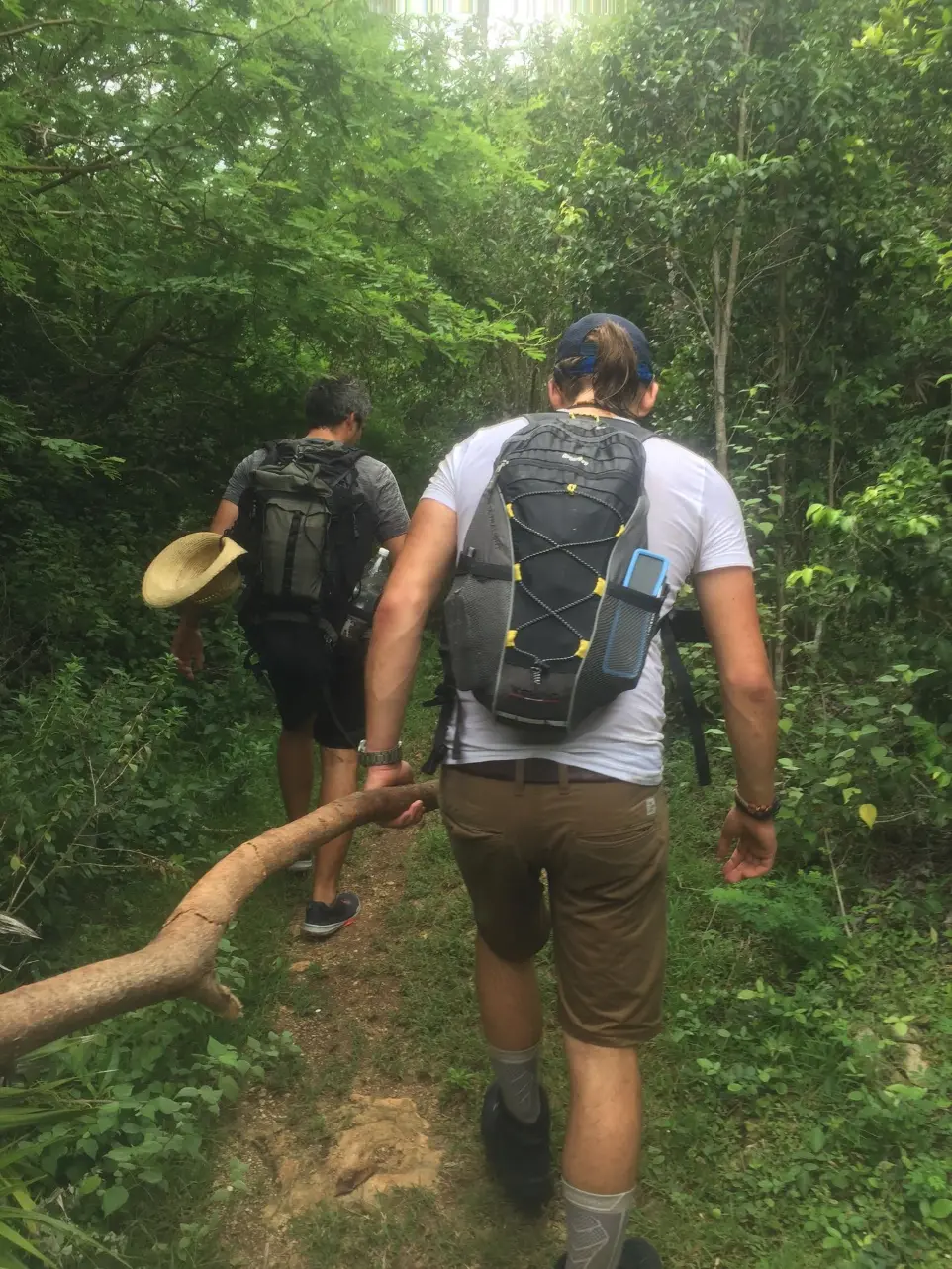
Canasí is a small coastal community located east of Havana, well known among Cubans for its river, fishing areas, and almost untouched natural scenery. Unlike more famous tourist destinations, Canasí has preserved a peaceful and deeply local atmosphere. There are no large resorts or international hotel chains here; instead, what stands out most is the simple life of the families who have lived for generations near the river and the sea.
The Canasí River is the heart of the area. Its waters flow through mangroves and reach the coastline, creating a rich ecosystem full of fish and birdlife. Historically, many residents have depended on small-scale fishing and modest agricultural activities. Some families also earn income by collecting shellfish or selling food and drinks to visitors who come during weekends to swim in the river or enjoy the nearby beach.
In recent years, Canasí has begun attracting more visitors interested in ecotourism, camping, and experiences far away from mass tourism. However, it remains a place where Cuba’s current economic reality can be clearly observed. Homes are modest, public transportation is limited, and many residents must travel long distances for work or school. Shortages of essential goods and economic difficulties affect daily life, yet there remains a strong sense of solidarity and community among neighbors.
For many Cubans, Canasí represents an affordable natural escape. It is common to see entire families spending the day by the river, cooking outdoors, or fishing together. Tourists visiting the area are often surprised by the friendliness of the local people and by the almost untouched beauty of the landscape. More than a luxury destination, Canasí offers an authentic experience of connection with nature and with the everyday life of a Cuban coastal community.
Varadero
Varadero is Cuba’s most famous beach destination and one of the best-known resort areas in the Caribbean. Its long stretches of white sand and turquoise waters attract visitors from all over the world every year. However, Varadero also reveals one of the country’s greatest social and economic contrasts: the difference between the tourist zone and the everyday life of many Cuban workers.
The local economy depends almost entirely on tourism. Thousands of people work in hotels, restaurants, transportation, and recreational activities. For many Cubans, obtaining a job in Varadero means access to tips in foreign currency, which can represent significantly higher income than salaries in other professions across the country. Because of this, many people commute daily from nearby towns and cities to work in the tourism sector.
Although the resorts offer comfort and entertainment, outside these facilities visitors may notice issues related to the current economic crisis: fuel shortages, power outages, supply limitations, and transportation difficulties. Many tourism workers make major personal sacrifices to keep services functioning, especially during periods of energy shortages.
Varadero also has residential areas where thousands of Cubans live far from the luxury image promoted internationally. Life there is much simpler than inside the hotels. Some families rent private rooms to supplement their income, while others sell crafts, food, or services to tourists. These direct interactions often allow visitors to better understand Cuban reality beyond the postcard image of paradise beaches.
Despite the challenges, Varadero remains an important symbol of the national economy. Tourism is an essential source of income for both the country and many individual families. Visitors to Varadero often enjoy not only the sea and sunshine, but also the warmth of the Cuban people, the music, and the ability of local communities to maintain joy and hospitality even during difficult times